
Pink Line Impact on Godrej Bannerghatta 2026
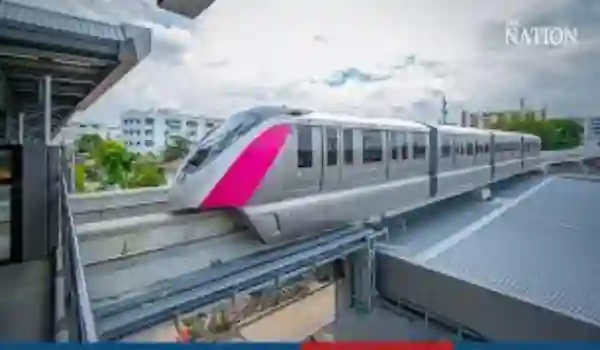
Bangalore is expanding at an unprecedented pace, and with that momentum comes a pressing reality—daily commuting is becoming increasingly difficult. Traffic congestion across major corridors continues to rise, making infrastructure upgrades essential rather than optional. This is where the upcoming Namma Metro Pink Line becomes a defining factor, especially for locations such as Godrej Bannerghatta on Bannerghatta Road, clearly highlighting the Pink Line Impact on Godrej Bannerghatta 2026.
This is not just a routine infrastructure addition. It represents a clear shift in how the city moves, how micro-markets evolve, and how property appreciation near metro Bangalore begins to accelerate in well-connected zones.
Understanding the Pink Line and Its 2026 Launch
The Pink Line, part of Namma Metro Phase 2, is a major Bangalore metro corridor development designed to strengthen north–south connectivity. Stretching approximately 21.25 km, it connects Kalena Agrahara in South Bangalore to Nagawara in North Bangalore, forming a critical backbone for integrated public transport Bangalore.
This corridor is being developed in two structured phases:
Phase 1 – Elevated Section (May 2026 Operational)
The first stretch spans 7.5 km along Bannerghatta Road, covering key stations:
- Kalena Agrahara
- Hulimavu
- IIM Bangalore
- JP Nagar 4th Phase
- Jayadeva Hospital
- Tavarekere
This phase immediately enhances Bannerghatta Road metro connectivity 2026, offering direct benefits to residential zones, hospitals, and educational institutions.
Phase 2 – Underground Section (By End of 2026)
The second phase extends 13.8 km from Dairy Circle to Nagawara, passing through central Bengaluru. Once completed, it delivers uninterrupted metro travel across the city.
A major advantage is the Jayadeva Hospital interchange, connecting with the Yellow Line. This strengthens Bangalore transit-oriented development and expands connectivity without requiring multiple transport modes.
Why the Pink Line Matters for Godrej Bannerghatta
Location advantage becomes measurable when infrastructure aligns with accessibility. Godrej Bannerghatta stands out due to its proximity—approximately 6.3 km from Kalena Agrahara metro station.
This positions it among the most strategic apartments near Pink Line Bangalore, offering direct access to upcoming metro connectivity.
Key advantages include:
- Faster and structured daily commuting
- Reduced dependence on road-based travel
- Lower long-term transportation costs
- Stronger metro impact on property prices Bangalore
Residents can conveniently access the station through:
- Feeder autos
- Shared mobility services
- Two-wheelers and bicycles
As metro operations begin, the shift from road congestion to rail-based movement will gradually redefine commuting patterns.
Daily Life Transformation Around Bannerghatta Road
Bannerghatta Road has consistently experienced high traffic pressure. The Pink Line introduces a predictable and efficient alternative through traffic-free travel Bangalore metro.
Metro travel ensures:
- Fixed schedules
- Zero dependency on road congestion
- Reliable travel durations
For residents of Godrej Bannerghatta, this results in:
- Shorter and more predictable commute times
- Reduced daily travel fatigue
- Improved work-life balance
- Direct access to key employment and healthcare zones
Additionally, metro expansion triggers surrounding upgrades. Over time, the area benefits from:
- Improved pedestrian infrastructure
- Organized feeder transport systems
- Growth in retail and service outlets
This evolution strengthens its position as a metro connectivity South Bangalore real estate hotspot.
Key Distance and Travel Insights
Connectivity becomes clearer when measured practically:
- Kalena Agrahara Metro Station – 6.3 km | Feeder Auto
- Jayadeva Hospital Interchange – 10.7 km | Direct Metro Access
- IIM Bangalore Station – 9.5 km | Direct Metro
- MG Road CBD – 17–20 km | Metro (Post Completion)
- Nagawara – 30 km | End-to-End Metro
These distances highlight how the Pink Line supports daily commute improvement Bangalore metro, reducing dependence on long road journeys.
Long-Term Urban and Investment Impact
Connectivity becomes clearer when measured practically:
- Kalena Agrahara Metro Station – 6.3 km | Feeder Auto
- Jayadeva Hospital Interchange – 10.7 km | Direct Metro Access
- IIM Bangalore Station – 9.5 km | Direct Metro
- MG Road CBD – 17–20 km | Metro (Post Completion)
- Nagawara – 30 km | End-to-End Metro
These distances highlight how the Pink Line supports daily commute improvement Bangalore metro, reducing dependence on long road journeys.
Long-Term Urban and Investment Impact
Metro corridors consistently influence real estate patterns. The Pink Line is expected to drive Bannerghatta Road real estate growth 2026, supported by improved accessibility and infrastructure expansion.
Over time, this corridor attracts:
- Residential developments
- Office and commercial hubs
- Retail ecosystems
- Public infrastructure
For Godrej Bannerghatta Bangalore, this translates into:
- Stronger demand due to connectivity
- Improved rental potential
- Access to wider employment corridors
- Enhanced long-term livability
Such developments are directly linked to investment benefits near metro corridors, where early entry often delivers higher returns.
From an urban planning perspective, this aligns with sustainable transport Bangalore metro, reducing fuel dependency and easing traffic congestion.
The Bigger Picture – What 2026 Brings
The May 2026 launch marks a transition from planning to execution. It introduces a working solution to Bangalore’s commuting challenges.
Within months of operation, visible changes are expected:
- Increased metro usage over private vehicles
- Reduced congestion on Bannerghatta Road
- More structured daily routines
By the end of 2026, the fully operational corridor will establish seamless connectivity across South, Central, and North Bangalore.
Conclusion
The Pink Line stands as a long-term infrastructure upgrade that reshapes mobility across the city. For Godrej Bannerghatta, its proximity to Kalena Agrahara station creates a clear edge in both convenience and future growth.
As connectivity improves, so does everyday life. Faster commutes, predictable travel, and stronger infrastructure position this location among the most promising future growth areas in South Bangalore.